
The journal
When you should not use a French seam
French seams suit some lightweight woven projects, but bulk, tight curves and construction details can make another finish more practical. Test the fabric and pattern together.
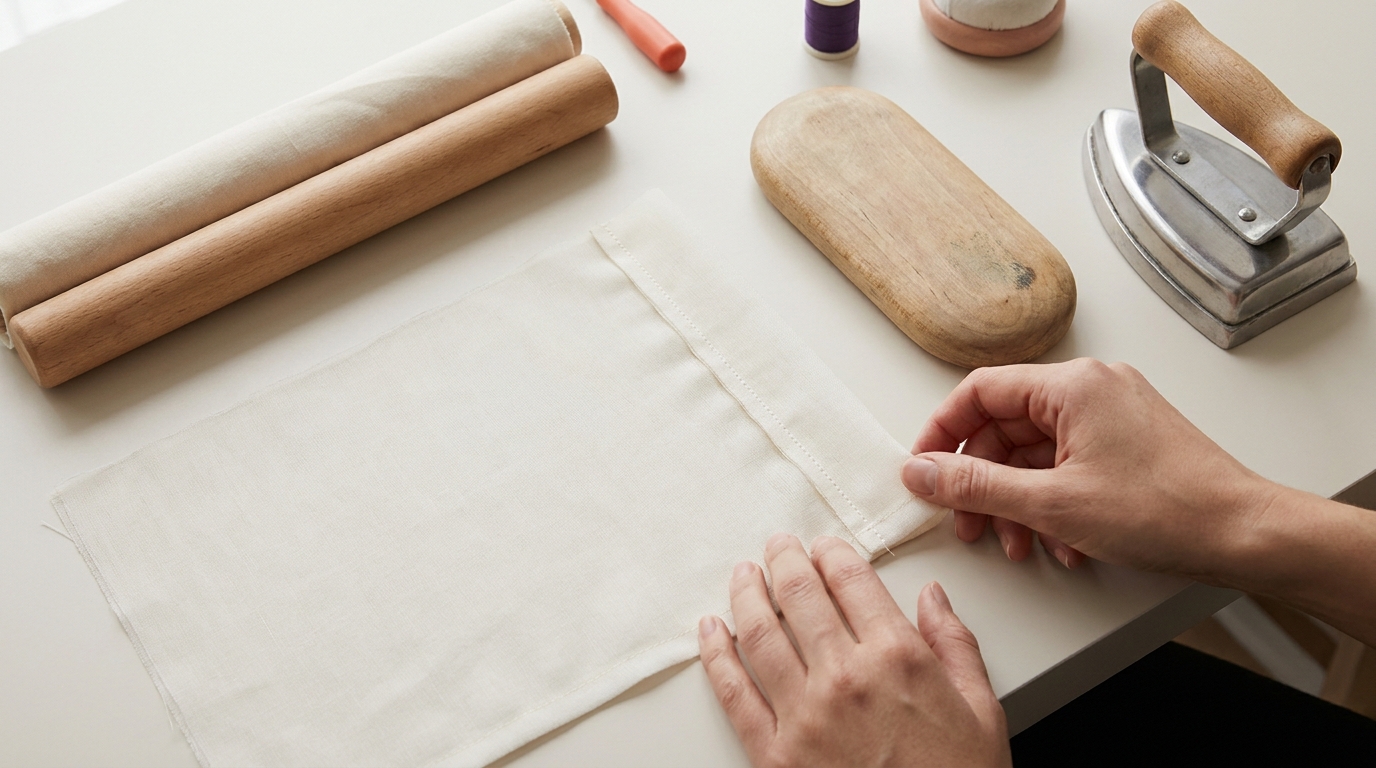
Do not use a French seam when the fabric is bulky, the seam has very tight curves that must be deeply clipped, your pattern doesn’t provide enough seam allowance (and you can’t add it), or the construction requires the seam to be pressed open. French seams enclose raw edges and excel on light, straight seams; in other situations they can add bulk or complicate construction (Seamwork: How to Sew French Seams; Seamwork: French Seam Skills Workshop).
Why skip a French seam in these cases
1) The fabric is heavy or bulky
French seams are sewn twice, which doubles the layers in the allowance. That clean finish can become thick and stiff on heavy fabrics. Instructional sources emphasize French seams for sheer to lightweight and some medium-weight wovens, not heavy cloth. The Seamwork tutorial calls them “ideal for sheer or lightweight fabrics” (Seamwork: How to Sew French Seams). Their workshop also focuses on choosing lightweight to medium-weight textiles, like cotton lawn, silk, chiffon, and rayon (Seamwork: French Seam Skills Workshop). Another Seamwork guide notes narrow French seams “work best on lightweight fabrics” when handling sheers (Seamwork: How to Sew an Overlay).
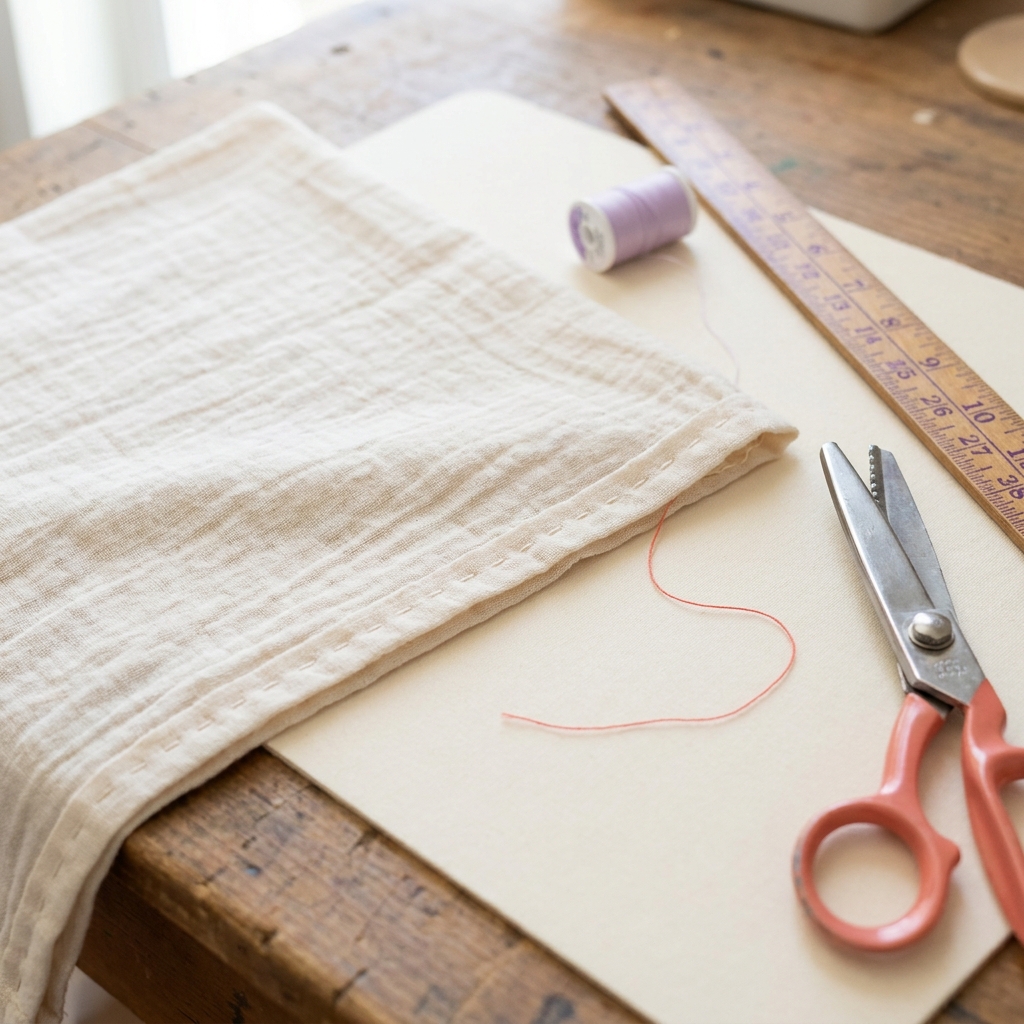
2) Very tight curves that require deep clipping or notching
It is possible to sew curves with French seams, but deep clipping can compromise the enclosed edge. Seamwork’s workshop specifically covers handling curves and when a mock French seam is the better choice, which signals that tight or tricky curves may be poor candidates for a traditional French seam (Seamwork: French Seam Skills Workshop).
3) Not enough seam allowance to sew the two passes
A standard method uses two passes (for example, 3/8 inch first, then 1/4 inch) for a total of 5/8 inch. That particular example does not fit a smaller allowance as written. Other French-seam widths exist; choose a tested method compatible with the pattern and fabric rather than assuming 5/8 inch is a universal minimum (Seamwork: How to Sew French Seams). The workshop does explain how to adjust for different allowances, but if you cannot alter the pattern pieces, choose another finish (Seamwork: French Seam Skills Workshop).
4) The construction requires seams pressed open
French seams are designed to be pressed to one side, not open, which can conflict with instructions that rely on open seams for turn-of-cloth, grading, or later steps. The Seamwork tutorial finishes by pressing the seam to one side (Seamwork: How to Sew French Seams).
What to do instead
- Use a mock French seam for tricky curves or when you need less bulk but want a similar enclosed look. The Seamwork workshop explains when this alternative is the better choice (Seamwork: French Seam Skills Workshop).
- Finish raw edges with a serger or a zigzag/overcast stitch when working with heavier fabrics or limited seam allowances. See our guide on using a zigzag as a serger alternative for practical settings and setup: Can you use a zigzag stitch instead of a serger?
- If the pattern requires pressing seams open, finish each allowance separately (e.g., zigzag or overcast) and press open as instructed.
How to decide quickly
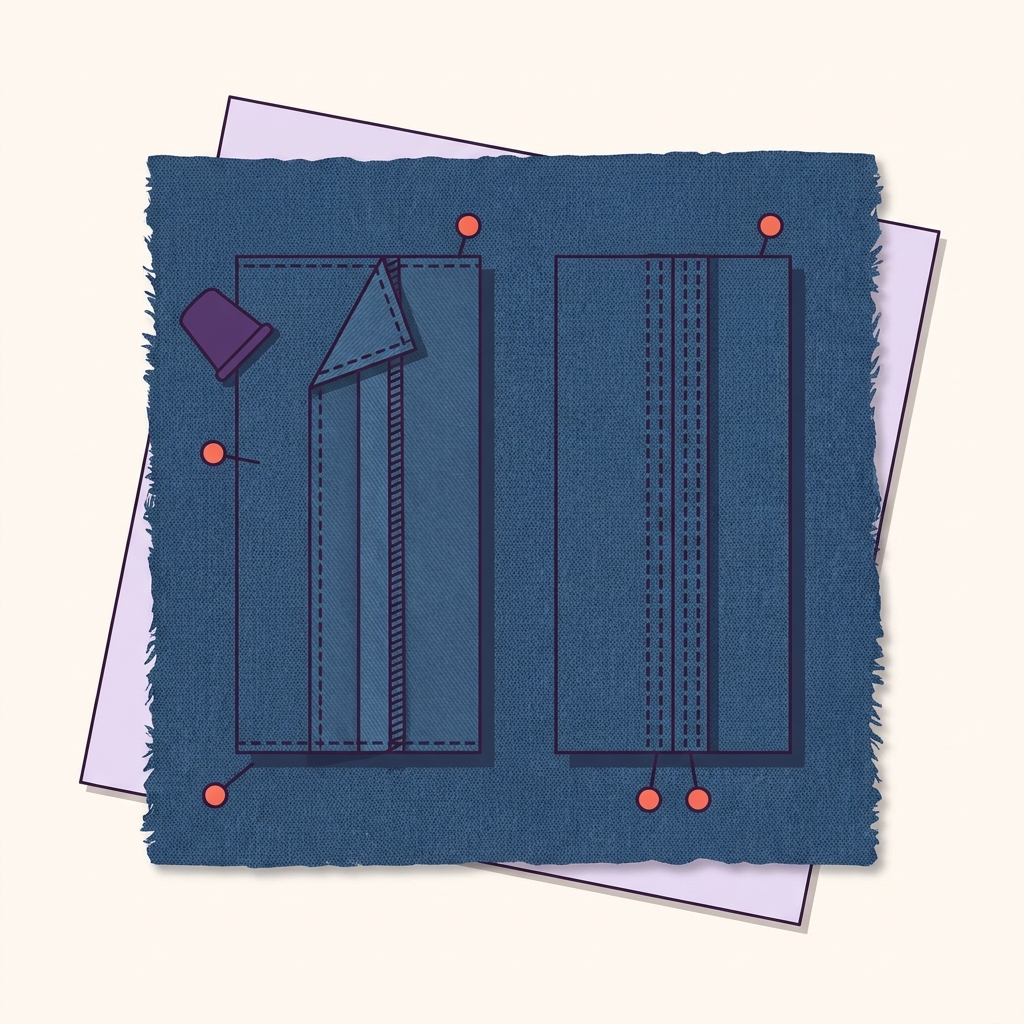
Run through these checks before committing to a French seam on your project. If you answer “yes” to any of the first three, pick an alternative finish.
Put this into practice
Check fabric bulk, curve and the pattern’s intended finish before choosing a French seam. Make a sample of the alternative finish at the same allowance instead of forcing an enclosed seam into every construction.
Quick checks before choosing a French seam
Helpful related reading on Made in Steps
- What needle size should I use for different fabrics?
- Can you use a zigzag stitch instead of a serger?
FAQ
Can I sew French seams on curves?
Yes, with careful trimming and pressing. Seamwork’s workshop specifically teaches French seams on curves and even set-in sleeves; it also notes situations where a mock French seam is the smarter choice (Seamwork: French Seam Skills Workshop).
What fabrics are best for French seams?
Lightweight to some medium-weight wovens, including cotton lawn, silk, chiffon, and rayon. They’re described as ideal for sheer or lightweight fabrics and best on lightweight materials (Seamwork: How to Sew French Seams; Seamwork: How to Sew an Overlay; Seamwork: French Seam Skills Workshop).